


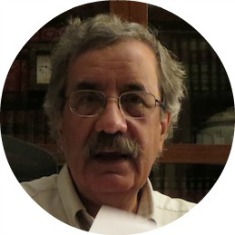
Charbel Nahas
Charbel Nahas graduated from the Ecole Polytechnique and the Ecole Nationale des Ponts et Chaussées with an engineering degree, a doctorate in social anthropology, and in-depth studies in economics and planning.
|
Charbel Nahas graduated from the Ecole Polytechnique and the Ecole Nationale des Ponts et Chaussées with an engineering degree, a doctorate in social anthropology, and in-depth studies in economics and planning. Upon his return to Lebanon, he participated in setting up a civil engineering school at the Lebanese University, where he taught for 12 years. He then worked in the banking sector (at Société Générale) from 1986 to 1998. He was fired after running in the local municipality elections, but he had already learned about the real source of authority: who owns the money.
Much of his work has centered on Lebanon's macroeconomic situation and the unsustainable sovereign debt. He has also contributed to policy formation and public administration in Syria, Jordan, Saudi Arabia, and Iraq. He is perhaps most well-known as having served as Minister of Telecommunications (2009) and Minister of Labor (2011), where he attempted to change key economic policies on healthcare and taxes. He resigned in February 2012 after refusing to sign a wage increase decree on the basis that it was in violation of the law and amounted to theft of workers' pension rights. He has consistently fought for a “better state and not a lesser state,” and thus fought against the privatization of state services, including telecommunications. He continues the struggle to build a state. |


